In municipal construction, orchard renovation, indoor demolition, and other scenarios, mini crawler excavators have become indispensable tools for engineering operations due to their flexibility and efficiency. However, with a wide range of models on the market, improper selection can not only hinder construction efficiency but also increase equipment wear and tear. Master the following 5 core points to choose the right excavator and maximize benefits.
1. Define Work Scenarios to Identify the Right Model
Different work scenarios impose distinct performance requirements on excavators. For indoor demolition or operations in narrow alleys, prioritize compact models with a small swing radius to ensure agile maneuverability in limited spaces. For tasks like ditch digging in mountain orchards or slope trimming, opt for excavators with strong climbing ability and a stable chassis to avoid rollover risks on complex terrain. Always conduct a detailed assessment of the working environment, space constraints, and terrain conditions before making a selection.
2. Focus on Core Components to Assess Operational Capabilities
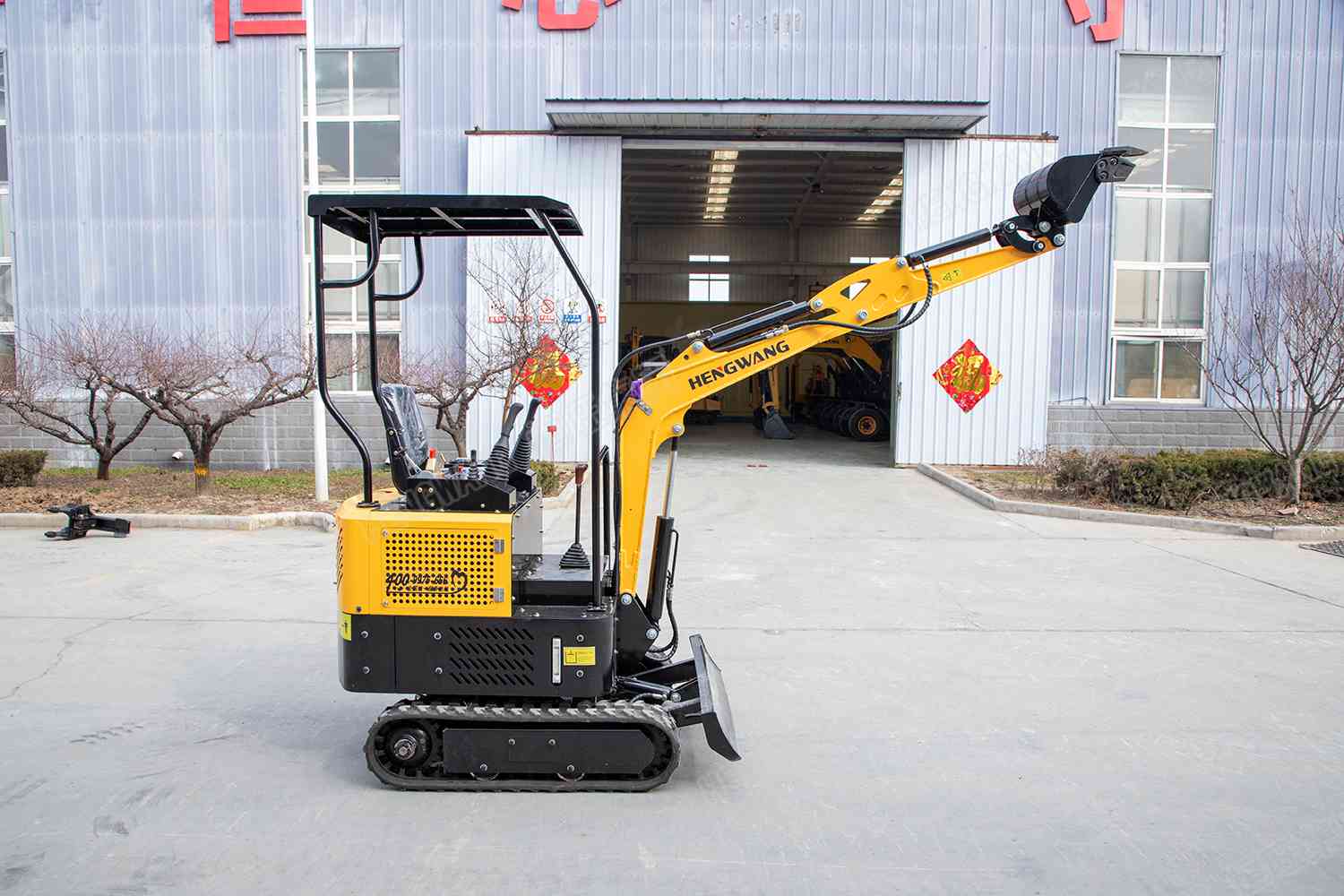
A mini crawler excavator consists of three main components: the working equipment, upper swing structure, and track-type undercarriage. The working equipment determines digging depth and breakout force—choose models with higher breakout force when dealing with hard soil or rock. The upper swing structure integrates the power and control systems, with its slewing performance directly impacting operation efficiency. The track-type undercarriage provides excellent ground adhesion; in muddy or soft terrain, track width and material significantly affect the machine’s passability and stability.
3. Attachment Compatibility: Expand Application Boundaries
The versatility of modern excavators lies in their compatibility with various attachments. Beyond the standard bucket, quick-couplers enable fast switching between breakers, grapples, augers, and other tools. For tasks involving concrete breaking, material handling, or drilling, ensure the selected model supports the required attachments and that its hydraulic system power matches the attachment’s specifications—avoid "underpowered" setups that lead to insufficient performance.
4. Consider Maintenance Accessibility to Reduce Operational Costs
The ease of daily maintenance directly impacts long-term usage costs. Prioritize models with easy-to-access filters and fluid checkpoints, as well as a logically designed engine compartment with ample service openings to minimize maintenance time. Additionally, the brand's after-sales service network is crucial—widespread service points and fast response times can significantly reduce downtime losses during equipment malfunctions.
5. Avoid Selection Pitfalls: Stay Alert to Common Traps
Some manufacturers in the market exaggerate parameters or pass off refurbished machines as new, leading to poor performance or frequent breakdowns. For example, inflated breakout force claims may not hold up in real-world operations. To avoid these issues, choose reputable brands with complete certifications, conduct on-site trials to test power, control, and stability, and request equipment inspection reports when necessary.
Selecting a mini crawler excavator requires balancing work requirements, equipment performance, and cost. By accurately assessing scenario needs, understanding equipment features, and avoiding common pitfalls, you can choose an excavator that perfectly matches your needs, ensuring consistent and efficient operation in engineering tasks. For more selection advice, follow us to access professional equipment purchasing guidance.